
🐾 Parent Guide: This article is part of our comprehensive Homemade Dog Recipes & Treats Guide, where you can find expert advice and tips.
Is this food safe for your dog?
Check if everyday ingredients or treats are toxic or safe for dogs before feeding them.
Hydrating frozen snacks are perfect for preventing dehydration. Check the Canna-Pet safety guide to keeping dogs cool in summer to recognize critical heatstroke warning signs.
Introduction
Summer heat can be challenging for our four-legged friends. Because dogs do not sweat like humans, regulating their body temperature in warm weather requires plenty of shade, fresh water, and cooling solutions. While a cold towel or a fan helps, nothing beats the excitement of a chilly, delicious snack. If you are looking for a fun and healthy way to keep your dog comfortable this summer, learning a few frozen dog treat recipes is the perfect solution.
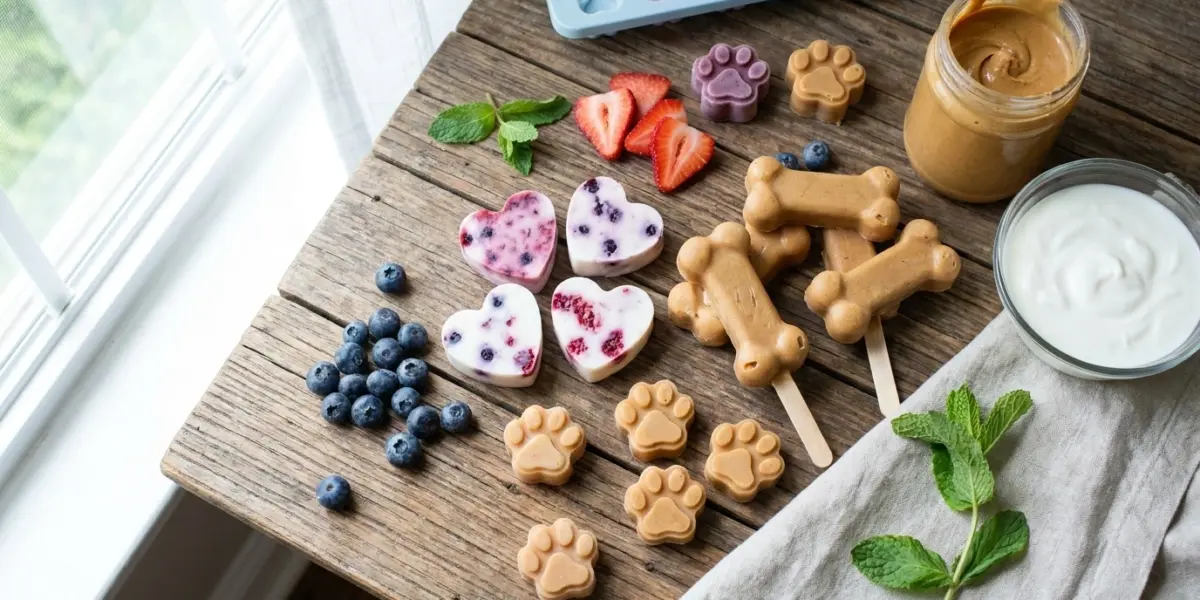
Frozen treats—often called “pupsicles”—are exceptionally easy to make, require minimal prep time, and provide excellent opportunities to Sneak nutrient-dense ingredients into your dog’s diet. In this article, we are sharing 8 refreshing, vet-approved frozen dog treat recipes that you can prepare using simple silicone molds and everyday kitchen ingredients. Whether your dog loves the creamy taste of yogurt or the savory goodness of bone broth, these treats will keep them cool, hydrated, and happy all season long. Let’s get freezing!
The Benefits of Frozen Treats for Canine Summer Comfort
Baking treats is wonderful, but during hot summer days, turning on the oven is the last thing you want to do. Preparing cold, raw-blended treats offers a range of health and practical benefits for both you and your pet:
1. Hydration Boost: Many dogs do not drink enough water during the heat of the day. Savory frozen treats, especially those made with bone broth or coconut water, are a delicious way to boost their fluid intake.
2. Mental Stimulation: Licking a frozen treat stimulates a dog’s brain and triggers the release of endorphins (the “feel-good” hormone), which helps calm anxious dogs. A solid frozen treat takes time to consume, acting as an excellent long-lasting occupational toy.
3. Soothing Sore Gums: For teething puppies or senior dogs with sensitive mouths, chewing on something cold provides immediate, numbing relief.
4. Probiotic Support: Many of our recipes use plain Greek yogurt or kefir, which are rich in live cultures that support the dog gut health guide.
By introducing these frozen treats, you turn hydration into a fun game that keeps your dog occupied while protecting them from heat exhaustion.
Essential Tools and Safety Parameters
Making pupsicles is simple, but there are a few safety guidelines you must follow to protect your pet’s teeth and digestion.
Essential Equipment
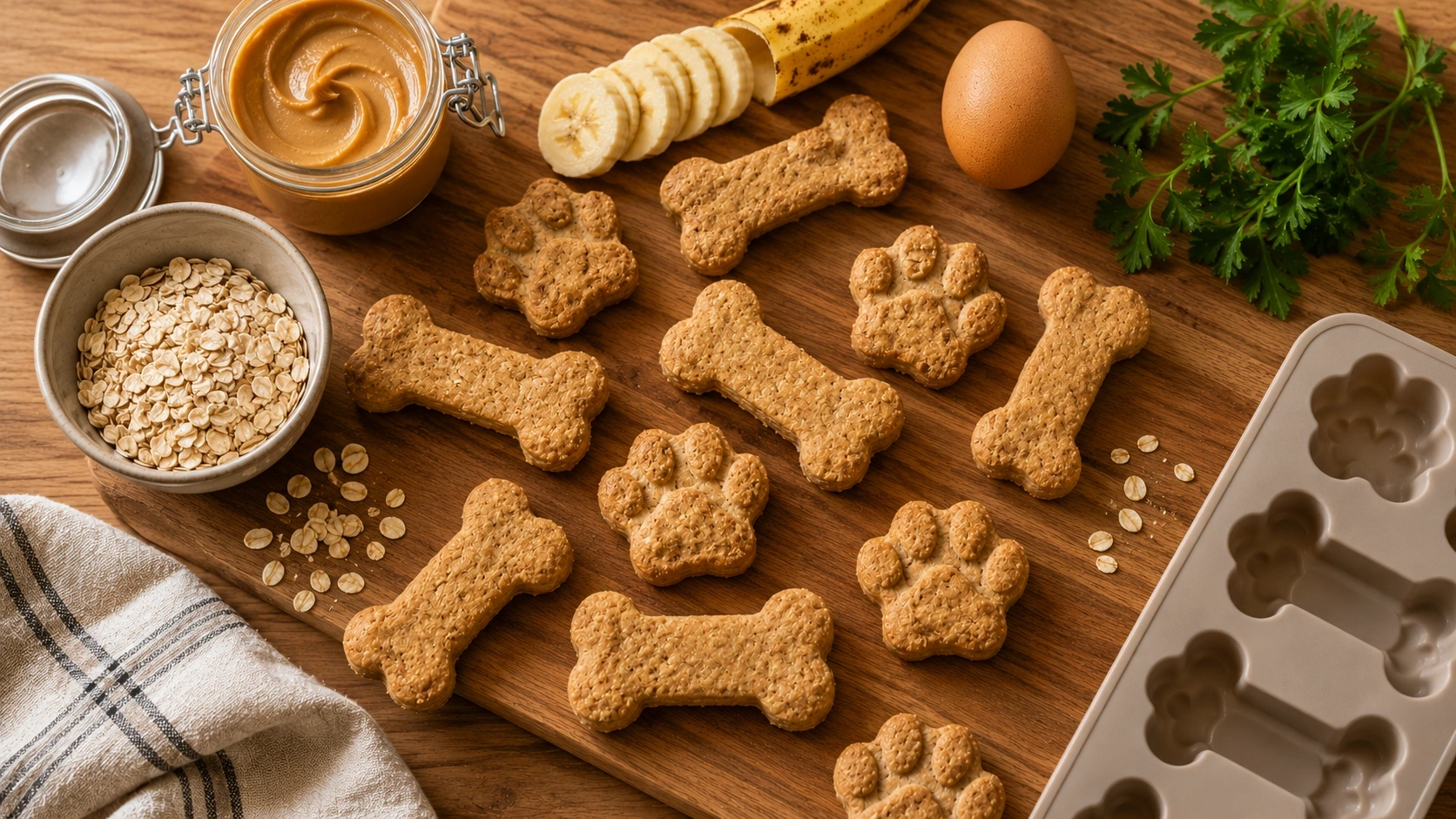
- Silicone Molds: Paw or bone-shaped silicone molds are ideal because they are flexible, allowing you to pop the frozen treats out easily without breaking them.
- Blender or Food Processor: Helps create smooth purees so the ingredients freeze uniformly.
- Baking Sheet: Placing your silicone molds on a sturdy baking sheet before filling makes moving them to the freezer mess-free.
Critical Safety Guidelines
- Avoid Hard Ice: Do not freeze plain water into large, rock-hard ice cubes for power-chewers. Chewing on dense ice can fracture a dog’s teeth. Always blend your liquids with soft ingredients like banana or pumpkin to create a softer, flaky ice texture.
- No Real Sticks: Never use wooden popsicle sticks or plastic skewers in your dog’s treats. A dog will swallow them, leading to emergency surgery. If you want a handle for your treats, use a long dog biscuit or a carrot stick instead!
- Lactose Sensitivity: While plain Greek yogurt is safe for most dogs because it is low in lactose, some dogs are highly sensitive to dairy. If your dog gets loose stools from dairy, substitute the yogurt with unsweetened coconut milk, goat’s milk, or pure pumpkin puree.
Storage
Once the treats are frozen solid (usually after 4 hours), pop them out of the silicone molds and transfer them to a labeled freezer bag. This frees up your molds for the next batch and prevents the treats from absorbing freezer smells. They will keep fresh in the freezer for up to 3 months.
Base Ingredient Comparison
Choose the best liquid base for your dog’s pupsicles using this quick reference table:
| Liquid Base | Calories | Key Nutrient | Best For | Lactose Level |
|---|---|---|---|---|
| Plain Greek Yogurt | Medium | Probiotics, Calcium | Gut health, coat shine | Very Low |
| Bone Broth | Low | Collagen, Amino Acids | Joint health, hydration | Zero |
| Coconut Water | Low | Potassium, Electrolytes | Rapid cooling, hydration | Zero |
| Pureed Watermelon | Low | Vitamin C, Lycopene | Weight management, hydration | Zero |
Smart Internal & External Linking
Internal Links
- Pillar Page: Find more recipes in our comprehensive Ultimate Guide to Homemade Dog Recipes & Treats.
- Related Articles:
– Looking for a baked celebration treat? Check out our easy dog cupcake recipe.
– For a full birthday experience, explore our step-by-step dog birthday cake recipe.
External Sources
- AKC Guide on Safe Fruits and Vegetables for Dogs — Verifying watermelon, cantaloupe, and blueberry safety.
- ASPCA Poison Control Center Food Guide — Safety checks for summer ingredients.
FAQ (Semantic Questions)
Can dogs eat frozen yogurt?
Commercial human frozen yogurt contains high levels of sugar, preservatives, and sometimes toxic sweeteners like xylitol. However, homemade frozen yogurt treats made using plain, unsweetened Greek yogurt are completely safe and healthy for dogs in moderation.
Can puppies have frozen treats?
Yes, puppies can enjoy frozen treats once they are fully weaned onto solid food (around 8 weeks). Cold treats are especially soothing for teething puppies. Start with small portions (like a frozen drop) to ensure their developing digestive system tolerates the ingredients.
What kind of molds should I use?
Silicone molds are the absolute best choice. They are highly flexible, non-toxic, and allow you to easily pop out frozen treats without having to run them under warm water, which can melt the designs. Look for FDA-approved food-grade silicone.
Is bone broth safe for dogs?
Yes! Bone broth is an excellent source of gelatin and collagen, which support joint health, coat condition, and gut lining. Ensure you use bone broth made specifically for dogs, or make it at home without onions, garlic, or excessive salt, as these ingredients are toxic to dogs.
Can I freeze peanut butter directly?
While you can freeze peanut butter directly into molds, it remains very dense and calorie-heavy. It is much better to blend it with water, yogurt, or banana first. This dilutes the calories and creates a lighter texture that is safer for your dog’s teeth.
How long do frozen treats last in the freezer?
Store-bought treats contain preservatives, but homemade pupsicles do not. Once frozen solid, transfer them from your molds into a sealed, airtight freezer bag to prevent freezer burn. They will remain fresh and safe for your dog for up to 3 months.
Conclusion
Frozen dog treats are a simple, delicious, and incredibly effective way to keep your dog comfortable during hot summer days. By blending safe ingredients like Greek yogurt, blueberries, pumpkin, and bone broth, you can create a variety of healthy, low-fat treats that support digestion and joint health. The prep work takes less than 10 minutes, and the reward is a cool, happy dog.
Try making a batch of our Probiotic Blueberry Blast or Savory Bone Broth Paw-sicles this weekend. Your furry friend will definitely thank you for it!