
Training your dog is not about control. It is about communication.
A well-trained dog is not a dog that has been forced into submission. It is a dog that understands what you are asking, trusts that good things happen when they get it right, and has a strong enough relationship with you to want to cooperate. That distinction matters more than any technique, tool or training collar on the market.
This guide covers everything from the fundamental science of how dogs learn, through to basic commands, common behaviour problems, training tools, and when to call a professional. Whether you have a brand new puppy or an adult dog with established habits you need to change, this is where you start.
How Dogs Actually Learn
Before you teach your dog a single command, you need to understand the mechanism behind learning. Everything else in this guide builds on it.
Dogs learn through associations and consequences. They repeat behaviours that produce good outcomes and avoid behaviours that produce bad ones. That is it. The entire science of dog training is an application of that single principle.
The Four Quadrants of Operant Conditioning
Professional trainers use a framework called operant conditioning, which has four quadrants:
| Quadrant | What Happens | Example |
|---|---|---|
| Positive Reinforcement (R+) | Add something good to increase a behaviour | Dog sits, dog gets a treat, dog sits more often |
| Negative Punishment (P-) | Remove something good to decrease a behaviour | Dog jumps up, you turn away and remove attention, dog jumps less |
| Positive Punishment (P+) | Add something unpleasant to decrease a behaviour | Dog pulls on lead, leash correction applied, dog pulls less |
| Negative Reinforcement (R-) | Remove something unpleasant to increase a behaviour | Dog sits, pressure from training collar releases, dog sits more often |
The vast majority of modern, evidence-based dog training uses positive reinforcement as the primary method, supplemented by negative punishment where needed. This approach has the strongest scientific support, the lowest risk of negative side effects, and produces the most reliable long-term results.
Why Positive Reinforcement Works Best
The science is clear on this. Dogs trained primarily with positive reinforcement show:
- Faster learning and better retention
- Lower rates of fear, anxiety and aggression
- Stronger human-dog bond
- Better generalisation (performing commands in new environments)
- Fewer stress-related behaviours during training sessions
Training methods that rely heavily on positive punishment and negative reinforcement (choke chains, prong collars used punitively, shock collars) can produce compliance, but at a cost: increased anxiety, redirected aggression, and a dog that obeys out of fear rather than trust. The International Association of Animal Behavior Consultants, the American Veterinary Society of Animal Behavior, and most national veterinary bodies recommend against aversive training methods.
This does not mean you can never tell your dog no, or that every boundary is achieved with a treat. It means the foundation of your training relationship should be built on reward, clarity and trust.
The Marker System: How to Communicate Precisely
One of the most powerful tools in positive reinforcement training is the marker – a precise signal that tells your dog the exact moment they did the right thing.
The most common marker is a clicker – a small plastic device that makes a sharp, consistent click sound. The click is always followed by a reward. Over time, the click itself becomes meaningful because the dog has learned it predicts something good.
You can also use a verbal marker – a short, sharp word like “yes” spoken in the same tone every time.
Why markers matter: Dogs do not learn from delayed feedback. If your dog sits and you say “good dog” three seconds later while ruffling their ears, the dog may be associating the praise with standing back up, not sitting. A marker bridges the gap between behaviour and reward with pinpoint precision.
How to introduce a marker:
- Click (or say “yes”) and immediately give a treat
- Repeat 10-15 times in a single session with no commands
- The dog is learning: click always means treat is coming
- Now use the marker to mark the exact moment of correct behaviour
The 5 Foundation Commands Every Dog Must Know
These are not optional. Every dog, regardless of age, breed or temperament, needs a reliable response to these five cues. They form the foundation that every other training achievement is built on.
1. Sit
The most natural starting point. Most dogs offer a sit spontaneously.
How to teach it:
- Hold a treat at your dog’s nose
- Slowly move your hand up and back over their head
- As their nose follows the treat up, their bottom naturally drops
- The moment their bottom hits the floor, mark and reward
- Add the word “sit” once the behaviour is happening reliably
Common mistake: Saying “sit, sit, sit” repeatedly. Say it once. If the dog does not respond, go back to luring rather than repeating the command. A repeated command teaches the dog that one “sit” does not mean anything.
2. Stay
Stay teaches your dog to remain in position until released. It has three components: duration, distance and distraction. Introduce each one separately before combining them.
How to teach it:
- Ask your dog to sit
- Wait one second, then mark and reward (building duration)
- Gradually increase the time before marking
- Once duration is solid, introduce a step back (distance)
- Once distance is solid, introduce mild distractions
- Always use a release word (“okay” or “free”) to end the stay
The rule: Never increase duration, distance and distraction at the same time. If your dog breaks the stay, you have moved too fast. Go back one step.
3. Come (Recall)
Recall is the most important safety command your dog will ever learn. A reliable recall can save your dog’s life.
How to teach it:
- Start in a low distraction environment (indoors or a quiet garden)
- Say your dog’s name followed by “come” in a happy, inviting tone
- When they move toward you, crouch down and be enthusiastic
- Mark and give a high-value reward the moment they reach you
- Never call your dog to you for something they dislike (bath, nail clip, end of a park run). Go to them instead, or make those things positive first.
Critical rule: Never punish a dog for coming to you, even if they took forever. The moment they arrive is always a party. If you punish a slow recall, you are punishing the arrival – and you will get a dog that stops coming at all.
Recall requires ongoing maintenance. Practice it every day. Recall that works in the garden does not automatically work at the park. Proof it systematically in new environments, always starting close and with high-value rewards.
4. Down
Down is a calming behaviour that asks the dog to settle. It is useful in restaurants, waiting rooms, on public transport and whenever you need your dog to be still.
How to teach it:
- Ask your dog to sit
- Hold a treat at their nose and slowly move your hand down and forward toward the ground between their front paws
- As their elbows touch the ground, mark and reward
- Add the word “down” once the behaviour is happening reliably
Note: Some dogs, particularly those with joint discomfort, find the down position uncomfortable. If your dog is reluctant, check with your vet before pushing this command.
5. Leave It
Leave it teaches impulse control. It applies to food on the ground, other dogs, wildlife, household objects and anything else you do not want your dog to interact with.
How to teach it:
- Place a treat in your closed fist and present it to your dog
- Let them sniff, lick and paw at your hand but do not open it
- The moment they pull back or look away, mark and reward with your OTHER hand
- The dog learns: ignoring the thing in your hand produces a reward from somewhere else
- Gradually move to treats on the floor, covered by your hand, then uncovered
Important distinction: Leave it means “do not interact with that thing.” It does not mean they will get the original item. The reward comes from a separate source.
Training Your Puppy: The Critical Window
The first 16 weeks of a puppy’s life contain the most important developmental period in dog training: the socialisation window. During this period, puppies have a heightened capacity to form positive associations with new experiences. What they learn is positive during this window, they tend to accept throughout their lives. What they miss during this window is far harder to introduce later.
The Socialisation Checklist
Your puppy needs positive, calm exposure to as many of the following as possible before 16 weeks:
People:
- Men, women, children of different ages
- People in hats, glasses, high-visibility jackets, uniforms
- People using walking aids, wheelchairs, pushchairs
- People of different ethnicities and appearance
Animals:
- Other dogs of different breeds, sizes and ages
- Cats (from a safe distance initially)
- Other common household or farm animals appropriate to your lifestyle
Environments:
- City streets, traffic, crowds
- Different floor surfaces (grass, gravel, tile, metal grating)
- Stairs, lifts, ramps
- Vets and grooming facilities (for positive visits before any procedure)
Sounds:
- Traffic, sirens, thunder, fireworks (use sound desensitisation recordings at low volume)
- Loud machinery, vacuum cleaners, lawnmowers
- Children playing, shouting, crying
Handling:
- Ears, paws, mouth, tail handled gently and routinely from day one
- Nail trims introduced positively before they are needed
- Being held, restrained briefly, and examined⚠️ Socialisation does not mean overwhelming exposure. Every new experience should be kept calm and positive. If your puppy shows fear, increase distance and reduce intensity. Flooding a puppy with frightening experiences causes lasting damage.
Puppy Potty Training
Potty training requires consistency, supervision and patience. There are no shortcuts.
The core rules:
- Take your puppy outside every 30-45 minutes, immediately after waking, after every meal, and after every play session
- Always go to the same spot in the garden
- Wait patiently and mark and reward the moment they go
- Never punish accidents in the house. Clean thoroughly with an enzyme cleaner to eliminate scent markers
- Supervision is everything. A puppy that is not being watched will have an accident. Use a crate, a playpen, or keep them on a short lead attached to you until reliability improves🔗 See our full Puppy Potty Training Guide for a week-by-week schedule and our recommended enzyme cleaners.
How to Train an Adult Dog
The saying “you cannot teach an old dog new tricks” is completely wrong. Adult dogs can learn at any age. In some ways, adult dogs are easier to train than puppies because they have longer attention spans and are less easily distracted.
What is harder with adult dogs is changing established habits. A behaviour your dog has been practising for five years is deeply reinforced. It can be changed, but it takes consistency and time.
Key differences when training adult dogs:
- Start from the beginning. Do not assume the dog knows anything. Run through all foundation commands as if they are new.
- Find the right motivator. Adult dogs often have established preferences. If treats do not work, try play, toys or real food (boiled chicken is a universal currency).
- Higher value rewards for harder tasks. The harder the ask, the better the reward needs to be.
- Manage the environment. While retraining, reduce opportunities for the unwanted behaviour to be practised. Every time the old behaviour happens, it gets reinforced.
- Be patient. Retraining takes longer than training from scratch.🔗 See our full How to House Train an Adult Dog guide.
Common Behaviour Problems and How to Address Them
Pulling on the Lead
Lead pulling is the most common complaint from dog owners and one of the most manageable with the right approach.
Why dogs pull: Because it works. Every time your dog pulls and you follow, the dog learns that pulling is how to get where they want to go.
How to fix it:
- Stop the moment the lead goes tight. Become a tree.
- Only move forward on a loose lead
- When the dog checks back in and the lead goes slack, mark and reward
- Be consistent. Every person who walks the dog must follow the same rule.
Tools that help: A front-clip harness (not a head halter unless recommended by a behaviourist) distributes pulling pressure and makes it physically harder to pull without causing pain.
Tools to avoid: Choke chains and prong collars suppress pulling through discomfort but do not teach the dog what to do instead. The pulling often returns in lower-stress contexts and can create leash reactivity as a side effect.
🔗 See our full Best Dog Training Leash Guide and Best Dog Training Collar for equipment recommendations.
Jumping Up
Jumping up is attention-seeking behaviour. The most common mistake owners make is pushing the dog down – which is still physical contact and still reinforces the behaviour.
How to fix it:
- Turn your back completely when the dog jumps. Remove all attention.
- The moment all four paws are on the floor, turn back and reward calmly
- Ask everyone in the household and every visitor to do the same
- Inconsistency is the main reason this takes a long time. One person who rewards jumping undoes significant progress.
Excessive Barking
Barking has different causes that require different approaches. Identify the type before attempting to address it:
| Type | Cause | Approach |
|---|---|---|
| Alert barking | Dog hears or sees something and sounds the alarm | Teach a “quiet” cue, manage visual access to triggers |
| Demand barking | Dog barks to get something (food, attention, play) | Remove all reinforcement for barking, reward silence |
| Anxiety barking | Dog is stressed or afraid | Address the underlying anxiety – this is a behaviour consultant case |
| Separation anxiety barking | Dog is distressed when alone | Graduated departure training – see a qualified behaviourist |
| Boredom barking | Under-stimulated dog | Increase exercise, mental enrichment and training sessions |
Aggressive Behaviour
Aggression toward people or other dogs is the most misunderstood and most dangerously mishandled behaviour problem in pet dogs.
Important: Aggression is almost always communication. A dog that growls is warning you. A dog that bites was almost always ignored when it tried to warn with growling first.
Never punish growling. A dog that has been punished for growling does not stop being uncomfortable with the situation. It stops warning you – and the next communication is a bite.
If your dog shows aggression, do three things:
- Manage the environment to prevent situations that trigger it immediately
- Do not attempt to train out aggression with punishment-based methods
- Consult a qualified canine behaviourist with experience in aggression cases – not a general obedience trainer🔗 See our full Aggressive Dog Training Guide for a detailed breakdown of aggression types, trigger mapping and finding a qualified specialist.
Separation Anxiety
True separation anxiety is a clinical anxiety disorder, not a naughty behaviour. A dog with separation anxiety is in genuine distress when left alone.
Signs include: destructive behaviour only when alone, vocalisation starting as you leave, toileting in the house despite being housetrained, attempts to escape, excessive drooling or panting, and video footage showing the dog unable to settle at any point during the absence.
Separation anxiety requires a specific graduated protocol called systematic desensitisation and counter-conditioning. It involves very gradual exposure to departures, starting at durations the dog can tolerate without anxiety and building from there. It takes weeks to months and must be done correctly to be effective.
This is one case where a professional is strongly recommended from the start. Poor attempts to treat separation anxiety without guidance often make it significantly worse.
Training Tools: What Works and What to Avoid
Recommended Tools
Clicker
The most precise marker available. Small, cheap and universally effective for initial learning phases. Once behaviours are solid, the clicker can be faded and replaced with a verbal marker.
Long line (5-10 metre training lead)
Essential for recall training and giving a dog controlled freedom in open spaces before off-lead reliability is established. Use a front-clip harness attachment, not a collar.
Front-clip harness
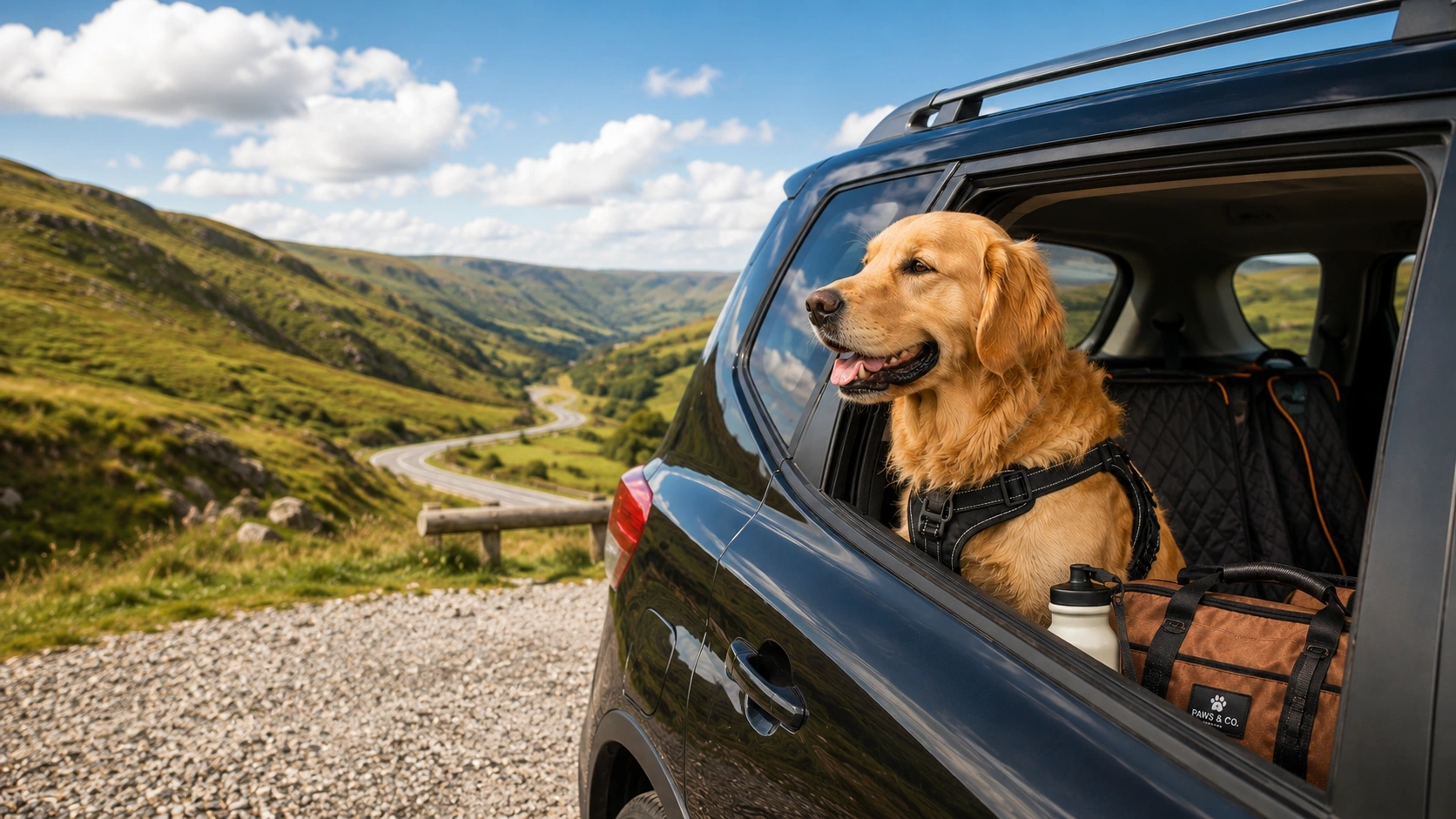
Reduces pulling by redirecting the dog toward you when they pull forward. Does not cause discomfort. Suitable for everyday walking while recall and loose-lead training is ongoing.
Treat pouch
Keeps high-value rewards accessible and speeds up the mark-reward sequence significantly.
Training treats
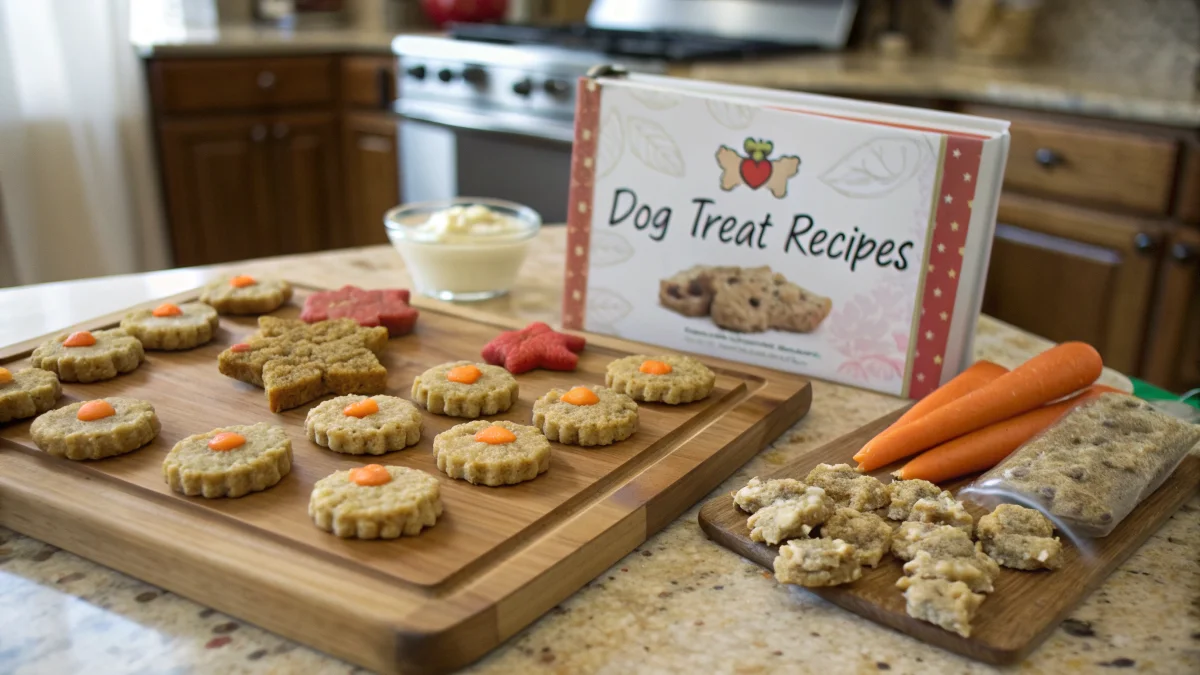
Small (pea-sized), soft, high-value and smelly. Cheese, cooked chicken, commercial training treats. The higher the distraction level, the higher the value the treat needs to be.
🔗 See our full Best Dog Training Treats guide for our top picks by budget and ingredient quality.
Tools to Use With Caution
Crate
Used correctly, a crate is a genuinely useful management tool and a safe space for your dog. Used incorrectly (as punishment, for excessive durations, or forced on a dog that is not crate trained), it causes anxiety and distress.
A crate should be:
- Introduced gradually with positive associations
- Large enough for the dog to stand, turn and lie down comfortably
- Never used as punishment
- Not used for more than 4 hours at a stretch for adult dogs (less for puppies)
Tools to Avoid
Choke chains and slip leads used punitively: Cause tracheal damage and associate pain with the trigger, not the behaviour.
Prong collars: The same mechanism as a choke chain with more surface area. Not recommended by any major veterinary or animal behaviour organisation.
Electronic shock collars (e-collars used for punishment): Banned in several countries and associated with increased anxiety, aggression and fear in peer-reviewed research. The RSPCA, BSAVA and PDSA are all opposed to their use.
Citronella or spray collars for barking: Suppress the symptom without addressing the cause. Often create additional anxiety.
🔗 See our full Best Dog Training Collar Guide for a detailed breakdown of every collar type with our vet and behaviourist recommendations.
How to Train a Service Dog
Service dog training is a specialist field that requires significant expertise, time and commitment. Most owner-trained service dogs take 18-24 months of consistent work before they are ready for public access.
The process broadly follows this structure:
- Temperament assessment: Not every dog is suitable for service work. Assess calmness, trainability, social confidence and stress recovery before investing in training.
- Foundation obedience: Solid, reliable response to all basic commands in high distraction environments.
- Public access training: Controlled exposure to shops, transport, crowded spaces, working quietly and ignoring distractions.
- Task training: The specific tasks relevant to the handler’s disability – medical alert, mobility assistance, psychiatric support tasks.
- Public access test: Formal assessment of behaviour in public settings.🔗 See our full How to Train a Service Dog guide for a complete training roadmap, task-by-task instructions and the legal framework for service dog access rights.
The Best Dog Training Books
For owners who want to go deeper than any single website can take them, these are the training books most consistently recommended by professional behaviourists:
For general positive reinforcement training:
- The Power of Positive Dog Training by Pat Miller
- Control Unleashed by Leslie McDevitt (especially good for reactive dogs)
- Zak George’s Dog Training Revolution by Zak George
For understanding dog behaviour:
- Inside of a Dog by Alexandra Horowitz
- The Other End of the Leash by Patricia McConnell
- Canine Confidential by Marc Bekoff
For specific behaviour problems:
- Feisty Fido by Patricia McConnell and Karen London (leash reactivity)
- I’ll Be Home Soon by Patricia McConnell (separation anxiety)🔗 See our full Best Dog Training Books guide with detailed reviews of each title.
When to Call a Professional
Training classes and home practice cover a lot of ground. But some situations call for a qualified professional from the start:
- Any form of aggression toward people or other animals
- Separation anxiety
- Fear-based reactivity on the lead
- Compulsive behaviours (spinning, tail chasing, fly snapping)
- Any behaviour that has resulted in a bite
- Sudden behaviour change in a previously well-behaved dog (always rule out a medical cause first)
Types of Professionals
| Title | What They Do | What to Look For |
|---|---|---|
| Dog Trainer | Teaches commands and manners | CPDT-KA, APDT member, force-free methods |
| Canine Behaviourist | Addresses complex behaviour problems | CAAB, CDBC, or veterinary referral |
| Veterinary Behaviourist | Diagnoses and treats behaviour disorders including with medication where appropriate | Board-certified (DACVB in the US, RCVS recognised in the UK) |
Red flags when choosing a trainer:
- Claims to use “dominance-based” methods or the “alpha” approach (outdated and disproven)
- Uses or recommends shock collars, prong collars or choke chains as primary tools
- Cannot explain why a technique works
- Guarantees results
- Does not allow you to observe a class before signing up
Your Complete Dog Training Article Library
By Behaviour and Command
- Aggressive Dog Training
- How to House Train an Adult Dog
- Puppy Potty Training Guide
- How to Train a Service Dog
Training Gear and Tools
- Best Dog Training Collar
- Best Dog Training Treats
- Best Dog Training Leash
- Best Dog Training Books
Frequently Asked Questions
How long does it take to train a dog?
Basic commands (sit, stay, come, down, leave it) can be introduced in the first few weeks with short daily sessions of 5-10 minutes. Reliability in high-distraction environments takes several months of consistent practice. Complex behaviour change (fixing established problem behaviours) typically takes 3-6 months. There is no finish line in dog training. The most well-trained dogs are those whose owners train little and often throughout their lives.
What is the best age to start training a dog?
From the day they come home. Puppies as young as 8 weeks can begin learning sit, name recognition and basic impulse control. The socialisation window closes at approximately 16 weeks, making early positive exposure critical. Adult dogs can be trained at any age. “Too old to train” is not a real thing.
Is positive reinforcement training effective for all breeds?
Yes. The mechanism of learning is the same across all breeds. What varies is motivation: a Border Collie may work enthusiastically for a game of tug, while a Beagle will work harder for food. Find what your individual dog values most and use that as your reward. Breed tendencies affect what challenges you will encounter (a Husky has stronger independent instincts than a Golden Retriever) but not whether positive reinforcement works.
How do I stop my dog from pulling on the lead?
Stop walking the moment the lead goes tight. Stand still. Only move again when the lead is slack. Mark and reward check-ins. Be completely consistent. It takes time because pulling has usually been reinforced for a long time. A front-clip harness makes the process easier while it is underway. Expect 4-8 weeks of consistent work before you see reliable improvement.
Should I use a crate for training?
Used correctly, a crate is a valuable tool for managing a puppy and preventing accidents and destructive behaviour when unsupervised. It should be introduced gradually with positive associations and never used as punishment. Most dogs, when properly crate trained, choose to rest in their crate voluntarily.
My dog knows the command at home but ignores it outside. Why?
Because they have not learned the command “in general.” They have learned it in your living room. Dogs do not generalise well. You need to deliberately practice each command in many different locations, gradually increasing distraction levels. This is called proofing. Every new environment is essentially starting again with lower expectations before building back up.
At what point should I stop using treats?
Treats can be faded once a behaviour is reliably established, but they should never disappear entirely. Randomly rewarding a solid behaviour (called a variable reinforcement schedule) actually makes it more resistant to extinction than rewarding every time. Think of it like a slot machine: unpredictable rewards keep the behaviour strong. Keep rewarding, just not every single time once the behaviour is solid.
Written by Sarah Mitchel, Senior Editor. Last updated: May 2026. Next scheduled review: May 2027.
Some links in this article are affiliate links. If you purchase through our links, we may earn a small commission at no extra cost to you. See our Affiliate Disclosure for details.