
Bringing a new puppy home is a joyful experience, but it comes with one major immediate challenge: housebreaking. Potty training is the very first lesson your puppy must learn, and it forms the foundation of your relationship.
The secret to successful puppy potty training is not punishment; it is consistency, supervision, and positive reinforcement. By setting up a strict routine and rewarding good behavior, you teach your puppy where and when to relieve themselves. This guide will walk you through the science of puppy bladder control, how to establish a schedule, step-by-step outdoor training, and how to handle indoor accidents safely.
The Reality of Puppy Bladder Control
To prevent frustration, you must understand the physical limits of a young puppy’s body. Puppies are physically incapable of controlling their bladder sphincter muscles fully until they are about 16 weeks old.
A reliable formula for estimating how long a puppy can hold their bladder is:
$$\text{Puppy Age in Months} = \text{Maximum Bladder Hold Time in Hours}$$
- 8 weeks old: Can hold their bladder for a maximum of 2 hours.
- 12 weeks old: Can hold their bladder for a maximum of 3 hours.
- 16 weeks old: Can hold their bladder for a maximum of 4 hours.
If you leave a 2-month-old puppy home alone for 4 hours, an accident is physically inevitable. To set your puppy up for success, you must take them outside *before* they reach their physical limit.
Establishing a Strict Potty Schedule
Consistency is the single most important factor in housebreaking. A puppy’s digestive system runs like clockwork. By feeding them at the exact same times every day, you can predict when they will need to eliminate.
Daily Potty Trip Triggers:
You should take your puppy to their designated outdoor spot:
- First thing in the morning (immediately upon waking).
- Right after play sessions or heavy excitement.
- 10 to 30 minutes after eating or drinking water.
- Immediately after waking up from a nap.
- Right before bedtime and in the middle of the night for very young puppies.
Sample Potty Training Schedule (8–12 Weeks):
| Time | Activity | Potty Trip? |
|---|---|---|
| 6:30 AM | Wake up | Yes, immediately |
| 7:00 AM | Breakfast & Water | No |
| 7:20 AM | Post-meal trip | Yes |
| 7:30 AM | Playtime & Training | No |
| 8:30 AM | Naptime in Crate | No |
| 10:30 AM | Wake up from nap | Yes, immediately |
| 12:00 PM | Lunch & Water | No |
| 12:20 PM | Post-meal trip | Yes |
Step-by-Step Outdoor Potty Training Protocol
Follow these five steps every time you take your puppy outside to reinforce the target behavior:
Step 1: Keep Them on a Leash
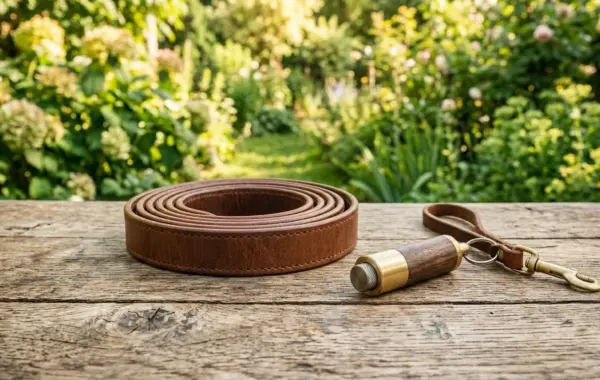
Even if you have a securely fenced yard, always take your puppy out on a leash. This keeps them focused on the task at hand rather than running around, chasing bugs, or playing.
Step 2: Walk to the Designated Spot
Go to the exact same area of the yard every time. The lingering scent of urine from previous trips will naturally signal to their brain that this is the bathroom area.
Step 3: Use a Cue Word
As soon as you arrive, give a quiet, calm command like “Go potty” or “Hurry up”. Say it consistently to build an association. Do not distract them with play or talk while they are sniffing and searching.
Step 4: Capture and Reward
The moment your puppy starts to urinate or defecate, stay quiet. The very second they finish, reward them immediately. Praise them enthusiastically, pet them, and give them a high-value treat. You must deliver the reward within 3 seconds of them finishing so they connect the reward with the action.
Step 5: Transition Back Indoors
Once they have gone, spend a few minutes playing outside as a bonus reward. This prevents them from thinking that going potty immediately ends their outdoor fun.
The Role of Puppy Crate Training
A crate is an invaluable tool for housebreaking. Dogs are den animals by nature and have an instinct to keep their sleeping area clean. If the crate is sized correctly, your puppy will avoid urinating inside it because they do not want to lie in their own mess.
- Sizing the Crate: The crate should only be large enough for your puppy to stand up, turn around, and lie down comfortably. If the crate is too large, they will use one corner as a bedroom and the opposite corner as a bathroom.
- Supervision Replacement: When you cannot supervise your puppy 100% (such as when you are cooking, working, or sleeping), place them in their crate. This prevents them from wandering off to relieve themselves on your rugs.
How to Handle Indoor Accidents Safely
Accidents are a normal, expected part of the housebreaking process. How you react to them is crucial.
- If you catch them in the act: Make a mild, startling noise (like a clap or a soft “Oops!”) to interrupt them. Pick them up immediately and carry them to their outdoor spot. If they finish outside, reward them.
- If you find the accident after the fact: Do nothing to the puppy. A puppy cannot connect punishment with an action they did minutes or hours ago. Rubbing their nose in it, yelling, or hitting will only teach them to fear you or hide in another room to go potty.
- Clean thoroughly: Clean the soiled area with an enzymatic pet odor eliminator. Standard household cleaners containing ammonia do not break down the uric acid crystals. Since ammonia smells like urine to a dog, using it will actually draw them back to the exact same spot to go again.
Related Guides & Resources
Accelerate your dog’s training and education with our expert handbooks: