🐾 Parent Guide: This article is part of our comprehensive Traveling with Your Dog: Car & Travel Guide, where you can find expert advice and tips.
Introduction
Many dog owners enjoy having their dogs join them for car rides. However, a major safety risk often goes unnoticed: letting a dog ride unrestrained in the cabin. A dog roaming free inside a moving car poses a triple threat: it is a distraction to the driver, a hazard that can be thrown into human passengers during a sudden stop, and highly vulnerable to severe injury or death in a collision.
In a 30-mile-per-hour collision, an unrestrained 60-pound dog becomes a projectile exerting 2,700 pounds of force. This is why securing your dog during travel is not just a best practice—it is a legal requirement in many jurisdictions.
However, many owners use standard walking harnesses as car restraints, assuming they provide sufficient protection. Unfortunately, standard harnesses are not engineered to withstand the extreme forces of a vehicle crash. They often snap instantly, or their thin straps can cut into the dog’s chest.
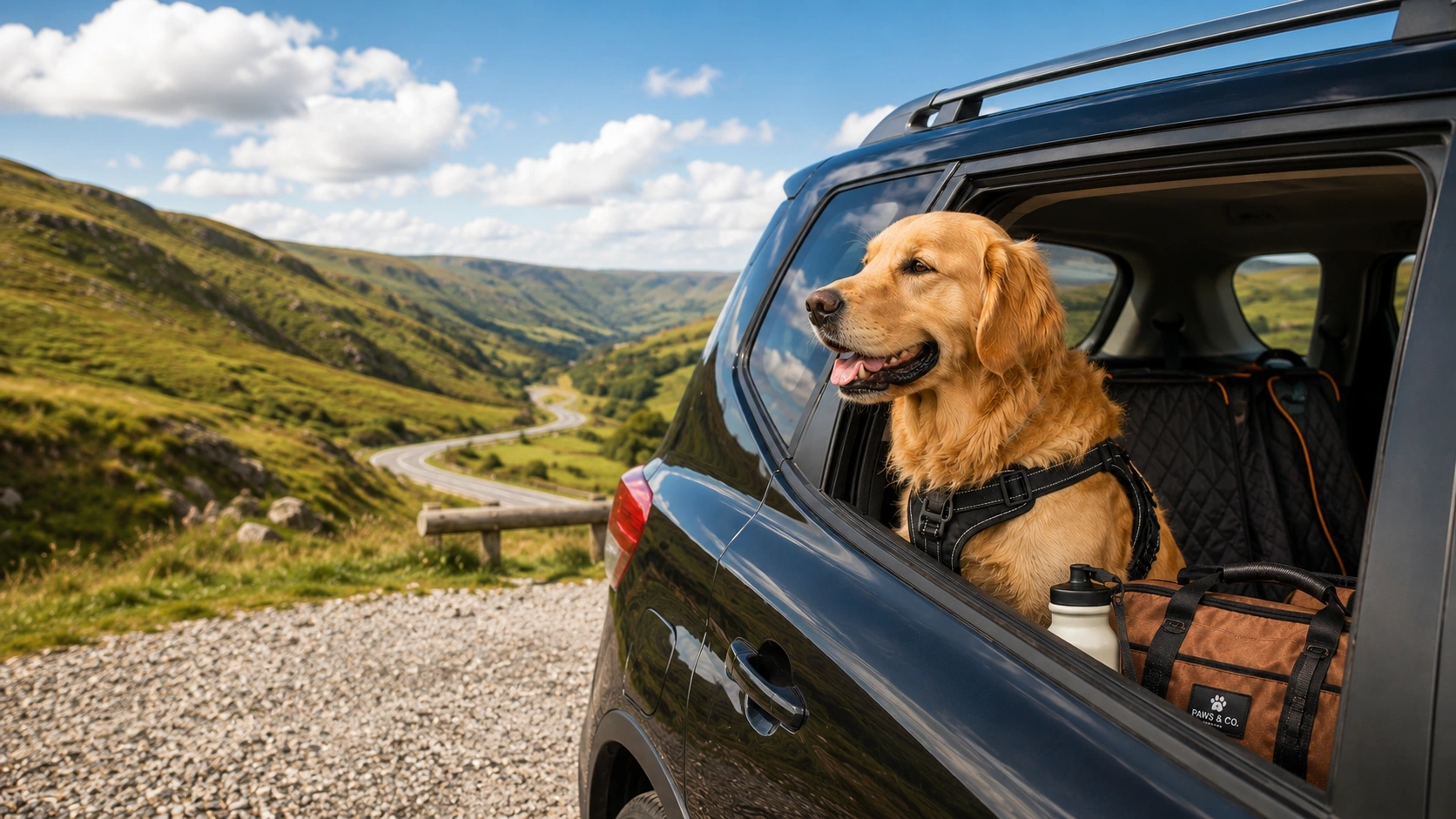
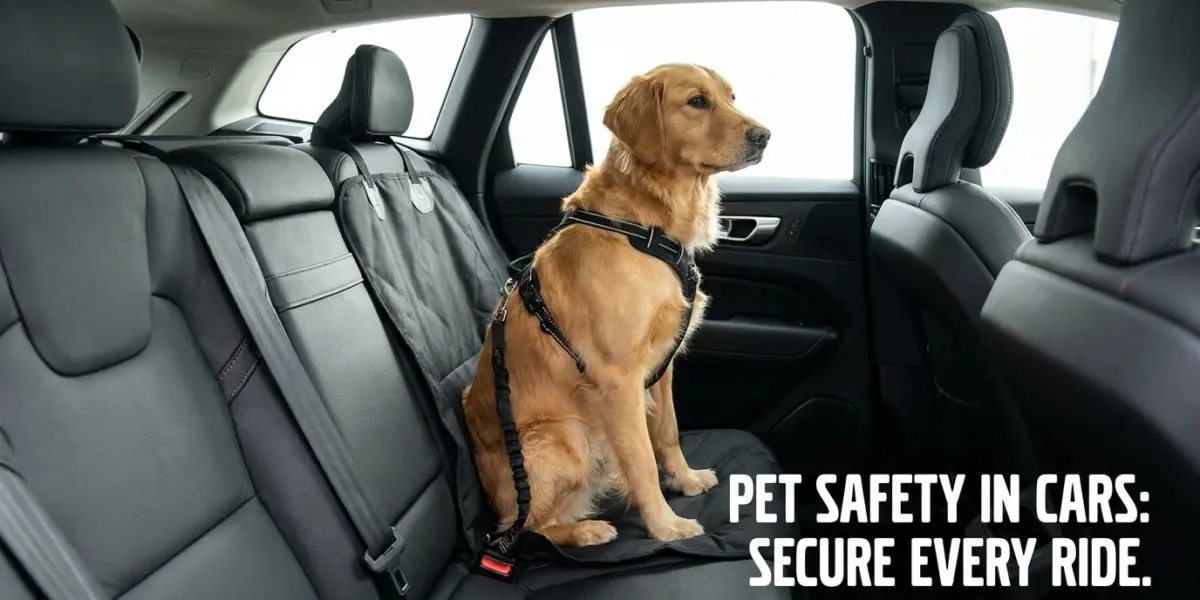
Securing your dog safely requires a dedicated, crash-tested dog car harness. In this veterinary-verified safety guide, we will examine the physics of car crashes with pets, explain the Center for Pet Safety (CPS) testing protocols, review the top five certified car harnesses on the market, outline correct fitting techniques, and discuss travel safety habits.
The Physics of Pet Crashes & Certification Standards
To understand why a specialized car safety harness for dogs is necessary, we must look at the mechanics of restraint systems.
The Problem with Walking Harnesses:
Standard walking harnesses are designed to control pull force, which rarely exceeds a dog’s own body weight. They are constructed with thin nylon straps, plastic buckles, and single-stitched seams. In a crash, these components fail immediately:
- Plastic buckles snap under minimal impact force.
- Single-stitch seams tear open.
- Thin straps concentrate the impact force over a narrow area, causing severe internal injuries or rib fractures.
The Center for Pet Safety (CPS) Standard:
The Center for Pet Safety (CPS) is an independent, non-profit research organization that establishes safety standards for pet products. To earn a CPS certification, a crash tested dog harness must undergo rigorous testing:
- Sled Testing: The harness is fitted to a specially weighted dog mannequin and secured in a vehicle sled.
- Impact Speed: The sled is crashed at 30 mph, simulating a head-on collision.
- Pass Criteria: To pass, the harness must prevent the mannequin from launching off the seat, keep the straps from tearing, and ensure the dog is not strangled or crushed by the restraint.
| Product Name | Attachment Method | Weight Range | CPS Certified | Best Use Case |
|---|---|---|---|---|
| Sleepypod Clickit | Direct seat belt loop | 18 – 90 lbs | Yes (5-Star) | Best for maximum safety |
| Ruffwear Load Up | Low-back loop | 10 – 110 lbs | Yes | Long road trips, large dogs |
| Kurgo Tru-Fit | Seat belt tether | 5 – 110 lbs | Yes | Dual use (walking & car) |
| PetSafe Happy | Buckle tether | 10 – 120 lbs | Yes | Budget safety, hot climates |
| EzyDog Drive | Direct seat belt loop | 15 – 140 lbs | Yes | Giant breeds, quick fit |
How to Fit and Secure a Car Harness
Even a 5-star crash-tested harness will fail if it fits poorly or is secured incorrectly.
Fitting Steps:
1. Snug Chest Fit: The harness should sit low on the shoulders and chest, not high against the neck where it could compromise the airway during impact.
2. Two-Finger Rule: Adjust the straps until you can fit exactly two fingers between the harness and your dog’s skin. If it is too loose, your dog can slip out; if it is too tight, it will cause chafing.
3. Check Leg Clearance: Ensure the chest plate does not pinch the armpits or restrict natural leg movement.
Securing in the Vehicle:
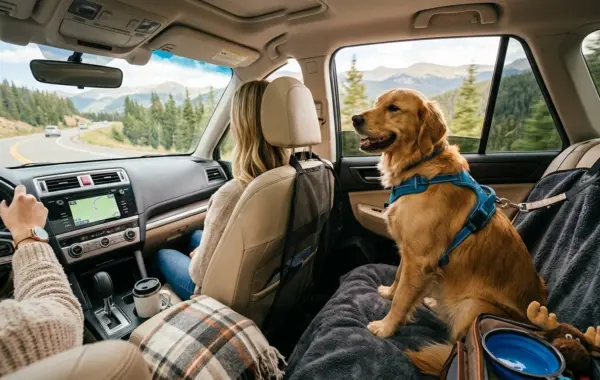
- The Safest Seat: Always secure your dog in the backseat. Never place a dog in the front seat. In a crash, passenger airbags deploy with extreme force, which can be fatal to dogs.
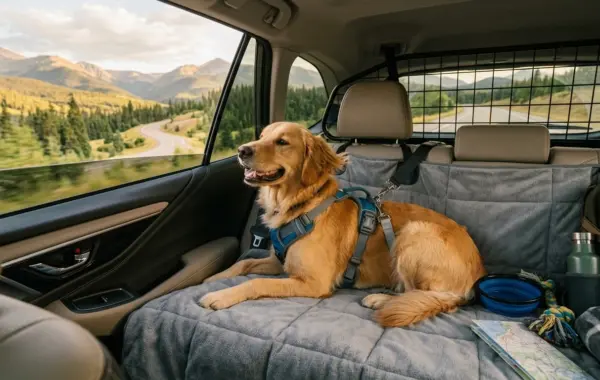
- Buckling Up: Loop the vehicle’s seat belt through the harness’s designated webbing loops or clip the crash-rated tether directly to the seat belt itself.
- Adjust Tether Length: Keep the tether short. Your dog should have enough slack to lay down comfortably, but not enough room to step off the seat or fly forward into the front seats during braking.
Complete Travel Preparation
A car harness is just one component of a successful road trip checklist.
Protecting Your Vehicle
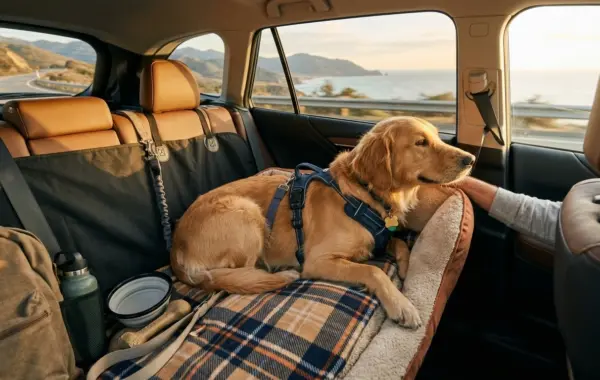
To keep your seats clean and dry while your dog is secured in their harness, install a durable cover. A quality cover prevents claw damage, traps mud, and keeps loose fur from embedding in the fabric. Learn more in our review of the best dog car seat covers.
Joint Mobility & Car Ramps
For senior dogs or large breeds, the impact of jumping in and out of a car can aggravate joint pain or arthritis. Using a foldable travel ramp is a safer alternative that protects their joints. For options, check out our guide on choosing the best dog ramp for car.
Grooming After Travel
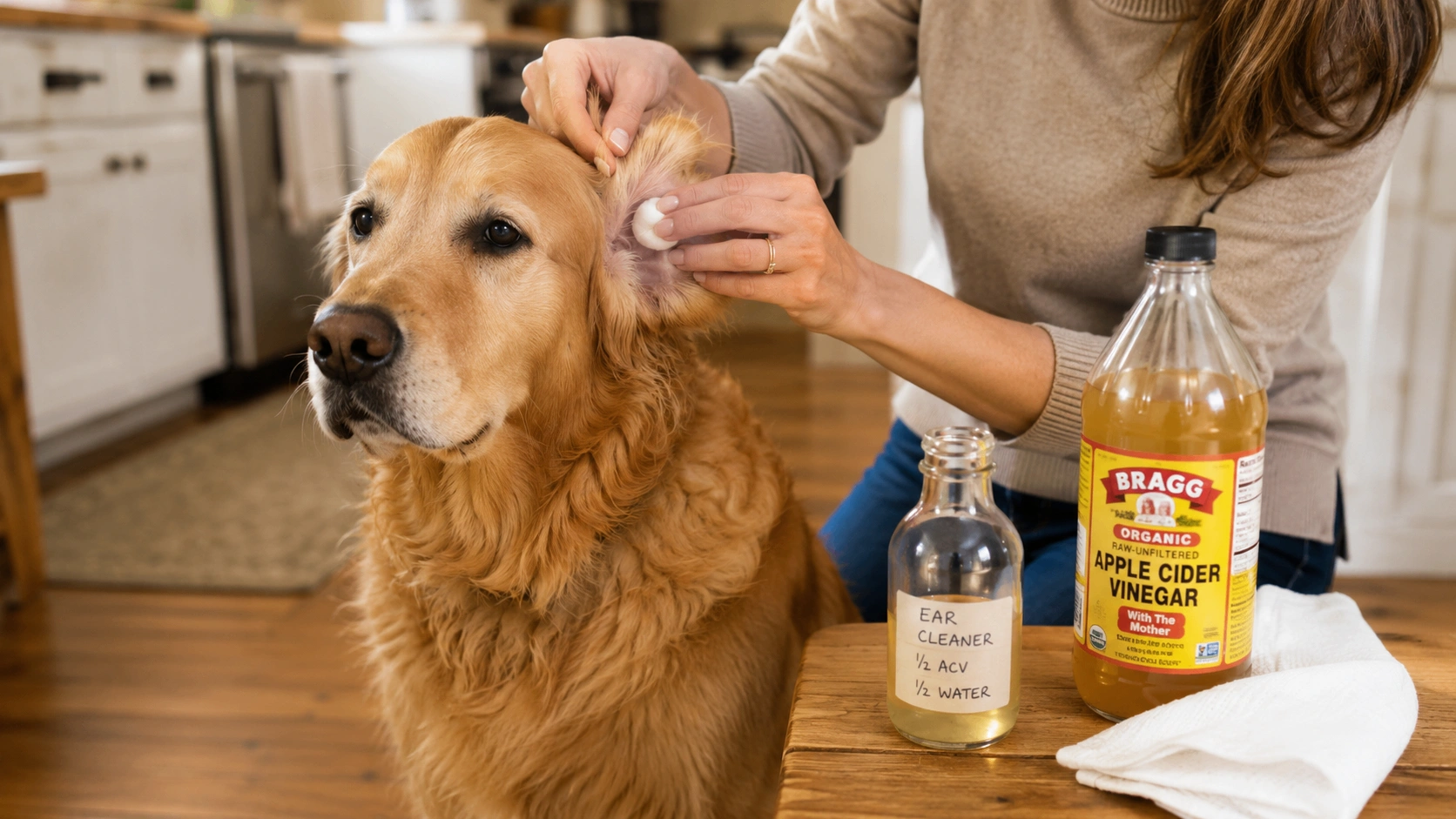
Road trips and outdoor adventures often mean messy paws and coats. Keep a set of grooming wipes and cleaning tools in your car to wipe down paws before heading home. For routine care, see our guide on the best ear cleaner for dogs to manage dirt and debris after outdoor play.
Conclusion: Safety First on the Road
Investing in a certified, crash-tested dog seat belt harness like Sleepypod Clickit Sport or Ruffwear Load Up is a vital safety measure. In a collision, this simple harness protects your dog, prevents injury to human passengers, and gives you peace of mind.
Take the time to fit the harness correctly, secure your backseat with a protective seat cover, and keep your dog comfortable during travel. With the right safety gear and preparation, you can enjoy worry-free travels with your companion.